At Home

A Speech Therapist’s Guide to Language-Rich Screen Time

Screen time doesn’t have to be a passive experience — with a little intention, it can become a tool for building language, connection, and creativity. Whether you’re watching a show together on the couch or using a tablet during a road trip, these strategies can help make those minutes meaningful. Keep This List HandyThink of

A Speech Therapist’s Guide to Language-Rich Screen Time Read More »

Boost Speech & Communication at Home with Pretend Play

As speech therapists, one of our favorite tools for language development in children is pretend play. Not only does it spark creativity and fun, but it also helps kids practice communication skills, build vocabulary, and develop social interaction abilities. Here are five easy and effective strategies you can use at home to enhance your child’s

Boost Speech & Communication at Home with Pretend Play Read More »

Why Therapists Love Peanut Balls—and How You Can Use Them at Home!

If you’ve heard your child’s therapist mention a “peanut ball” and pictured a bouncy snack—don’t worry, you’re not the only one! While the name is funny, this peanut-shaped therapy tool is anything but a joke. It’s designed to support movement, coordination, and strength in ways that are both effective and fun for kids of all

Why Therapists Love Peanut Balls—and How You Can Use Them at Home! Read More »

7 Ways to Remain Calm When Your Child is Upset

Parenting can be both beautiful and challenging, and one of the toughest moments is when your child is upset—whether they’re throwing a tantrum, crying inconsolably, or just feeling overwhelmed. In these moments, it can be hard to keep your cool. But your ability to stay calm has a profound impact not only on how the

7 Ways to Remain Calm When Your Child is Upset Read More »

3 Practical Strategies for Non-Verbal Children

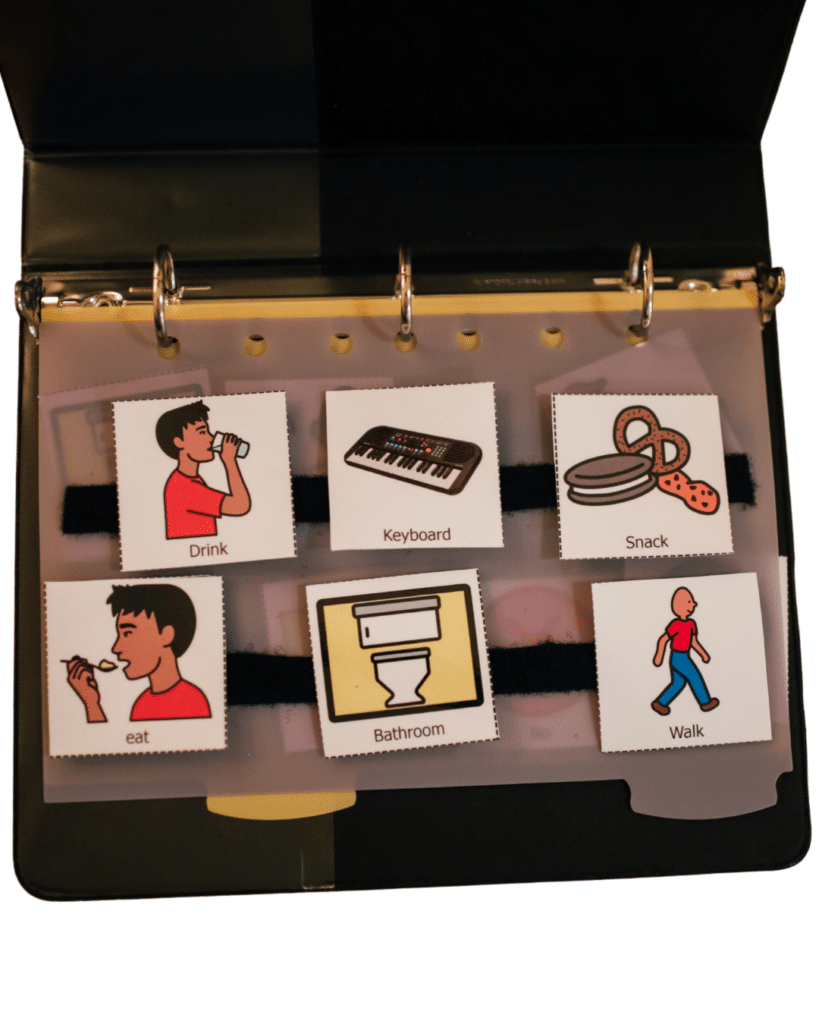
One of the most important roles as a speech pathologist is to support non-speaking children in finding ways to communicate effectively, whether they are struggling with verbal speech or are non-verbal altogether. While Augmentative and Alternative Communication (AAC) systems are an excellent long-term solution, they may not always be immediately accessible. In the meantime, there

3 Practical Strategies for Non-Verbal Children Read More »

Fun and Easy Ways to Build Handwriting Skills in Preschoolers

Handwriting is an essential skill that sets the foundation for many academic and daily activities. For preschool-aged children, developing the right muscles and motor skills is key to ensuring they can hold and use writing tools effectively. At Connect the Dots, we focus on fun, engaging, and functional ways to help children build the skills

Fun and Easy Ways to Build Handwriting Skills in Preschoolers Read More »

Speech Therapy Graduation Isn’t the End—It’s Just the Beginning!

One of the most rewarding moments is when a child graduates from therapy—whether it’s for articulation, language, fluency, or any other area of speech and language development. While graduation marks an exciting milestone, it’s important to keep the momentum going so the child can continue to succeed and grow in their communication skills. Here are

Speech Therapy Graduation Isn’t the End—It’s Just the Beginning! Read More »

Our Physical Therapist’s Favorite Play Based Tools

When it comes to physical therapy, having the right tools at home can add an extra layer of fun and engagement to therapeutic activities. However, it’s important to note that these tools aren’t required to participate in therapy or make progress. Instead, they’re some of our physical therapists’ (and children’s!) favorite items to use for

Our Physical Therapist’s Favorite Play Based Tools Read More »

From Play to Progress: 8 Ways Magna-Tiles Can Enhance Therapy Goals

Magnetic tiles are more than just a fun toy—they’re a fantastic therapy tool that can support a variety of developmental goals for children. Whether you’re a parent or caregiver looking to enhance your child’s skills, magnetic tiles can be incorporated into therapy sessions or used at home in creative ways. From strengthening fine motor skills

From Play to Progress: 8 Ways Magna-Tiles Can Enhance Therapy Goals Read More »

Eugene Clinic:
84 Centennial Loop
Eugene, OR 97401
Phone: (541) 255-2681
Fax: (541) 255-3537

Clinic Hours:
8:00 to 6:00 Monday – Thursday
8:00 to 5:00 Friday

Corvallis Clinic:
201 NW 3rd St.
Corvallis, OR  97330
Phone: (541) 255-2681
Fax: (541) 255-3537

Clinic Hours:
8:00 to 6:00 Monday - Thursday
8:00 to 5:00 Friday

Scroll to Top