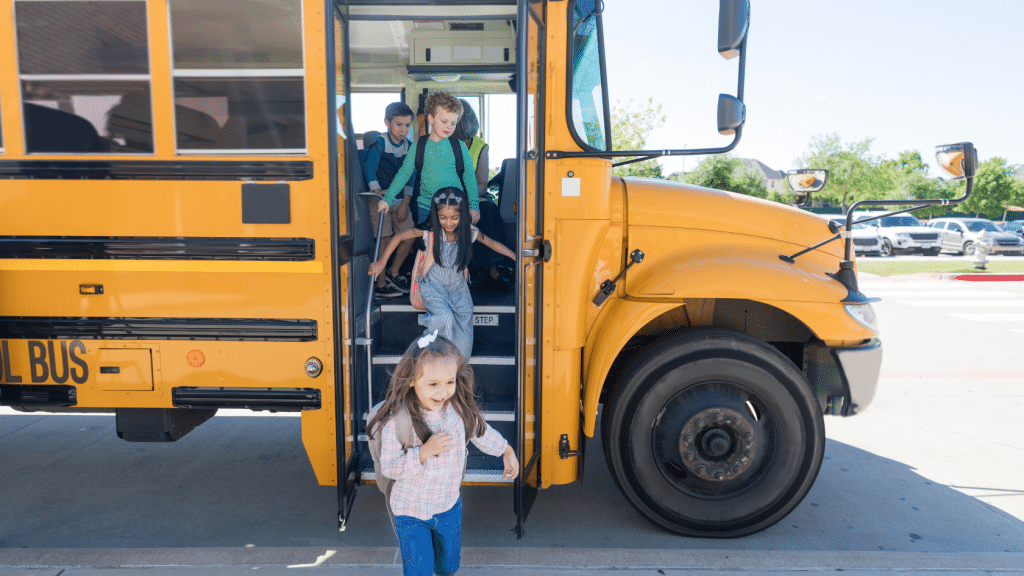
If you’re already feeling a little panicked thinking about getting one (or multiple!) kids out the door for school each morning with a new routine…you’re not alone. We get it.
The backpacks. The shoes that somehow disappear every morning. The last-minute requests for a different breakfast. The child who suddenly “can’t” put on the shirt they picked out the night before. The sibling who is ready to go, but now everyone else is behind schedule.
School mornings can feel like a lot.
Summer is often a time of slower mornings, flexible schedules, later bedtimes, spontaneous plans, and fewer daily demands. And while that break from routine can be exactly what kids and families need, jumping back into a structured school schedule can feel like a big adjustment.
The good news? You don’t have to wait until the first day of school to figure out what works.
From an occupational therapy perspective, routines are skills. And just like any other skill, they become easier with practice.
Why Back-to-School Routines Can Feel Challenging for Kids
A school morning may look simple from the outside: wake up, get dressed, eat breakfast, grab a backpack, and head out the door.
But for children, that routine actually requires a lot of skills happening all at once.
They are being asked to:
Transition from sleep to being awake and ready
Stop a preferred activity and move to the next thing
Get dressed and complete personal care tasks
Follow multiple directions
Remember where their belongings are
Manage frustration when something doesn’t go as planned
Make decisions quickly
Handle sensory experiences like clothing, sounds, food, and a busy environment
For some children, that’s a lot of information for their brain and body to manage before the day has even started.
And when children become overwhelmed, it often shows up as:
“I can’t!”
Refusing to get dressed
Meltdowns over seemingly small things
Crying, yelling, or shutting down
Moving slowly or getting stuck on one step
Needing more reminders than usual
It can feel like a child is being difficult, but often their nervous system is telling us, “This feels like too much right now.”
Why Practicing Back-to-School Routines Helps
Have you ever had a morning where you were running late and every little thing seemed to go wrong?
A missing shoe suddenly feels like a disaster. A spilled drink feels like the final straw. Everyone’s patience gets a little shorter.
Kids experience that too.
When children are unsure what comes next, their brains have to work harder to process the routine. Practicing ahead of time helps make those steps feel familiar.
Familiarity creates confidence.
When children have practiced a routine, they can spend less energy figuring out what to do and more energy actually doing it.
Think of it like a rehearsal before the big day. You aren’t practicing because your child is expected to be perfect, you’re practicing because you’re giving their brain a chance to learn, adjust, and feel successful.
OT Tips for Building Back-to-School Routines
Practice a “School Morning” Before School Starts
Pick a few mornings before September and practice what your routine will look like.
Try:
Waking up at the school wake-up time
Getting dressed
Eating breakfast
Brushing teeth
Packing backpacks
Putting on shoes and heading out the door
You can even make it fun! Have a “practice school morning” where everyone tries the routine together without the pressure of actually needing to be somewhere.
Slowly Shift Bedtimes and Wake-Up Times
Summer schedules often look different, and that’s okay!
Instead of waiting until the night before school starts, slowly move bedtime and wake-up times earlier so your child’s body has time to adjust.
Practice Lunch Before the First Day
Have a picky eater? Start early!
The first week of school is already full of new experiences. Adding an unfamiliar lunch can make the day feel even bigger.
Try introducing lunchbox routines before school starts:
Let your child help pack their lunch
Practice opening containers and wrappers
Offer familiar foods in their lunchbox
Try new foods alongside preferred foods
For many children, familiarity helps reduce stress. Seeing the same lunchbox, opening the same containers, and knowing what to expect can make mealtime feel much more manageable.
Use Visuals to Make the Routine Easier to Follow
Some children do best when they can see what comes next.
A simple morning checklist or picture schedule can help children:
Know what is expected
Become more independent
Reduce repeated reminders
Feel more in control
Give Yourself More Time Than You Think You Need
We know…adding “wake up earlier” to a parent’s list is probably not the advice anyone wants to hear. 😉
But transitions take time, especially when children are learning a new routine.
Building in even an extra 10–15 minutes can mean fewer rushed moments, fewer power struggles, and more opportunities for your child to practice independence.
The Goal Isn’t a Perfect Morning
Let’s be honest: even with the best planning, there will still be mornings when someone forgets their backpack, a sock feels “wrong,” or everyone leaves the house a little later than planned. That’s parenting.
The goal isn’t a perfect morning.
The goal is helping your child feel prepared, supported, and confident enough to take on the day.
A little practice before September can help make the transition back to school feel less overwhelming for your child and for you.