
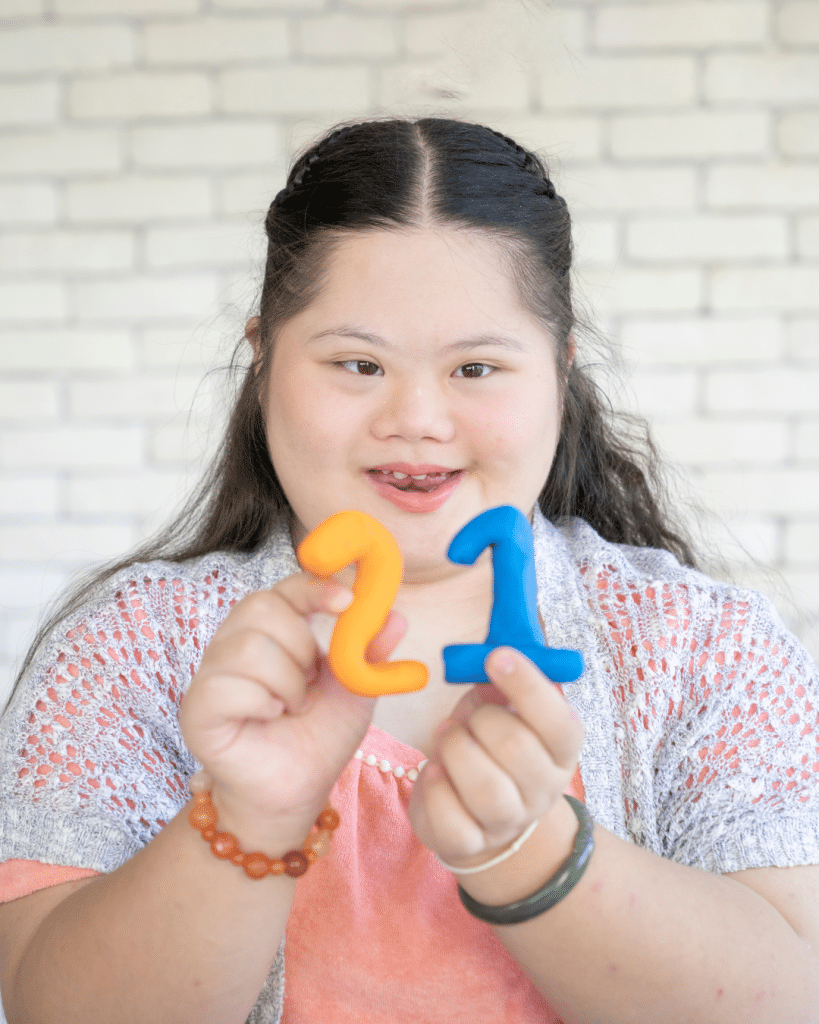
It’s 3/21 – World Down Syndrome Day, a meaningful reminder to celebrate progress, confidence, and the joy of watching children with Down syndrome explore and thrive.
If your child has Down syndrome, it’s completely natural to wonder how to best support their development—not just in the early years, but throughout childhood. The good news? With the right support, children with Down syndrome can build strong movement skills, confidence, and independence over time.
Physical therapy is one powerful way to support that journey.
Physical therapy isn’t about rushing milestones. It’s about creating a strong foundation for movement so your child can participate fully in family routines, school activities, and everyday play.
Why Physical Therapy Matters for Children with Down Syndrome
Children with Down syndrome often experience:
-
Low muscle tone (hypotonia)
-
Increased joint flexibility (joint laxity)
-
Delays in gross motor development
These differences can impact strength, balance, coordination, and endurance. Physical therapy helps address these challenges in a supportive, play-based way, meeting your child exactly where they are.
Infancy (0–2 Years): Building the Foundation
During infancy, early intervention is key for babies with Down syndrome.
Physical therapy focuses on:
-
Improving head and trunk control
-
Encouraging tummy time and midline play
-
Supporting rolling, sitting, and crawling
-
Teaching families safe positioning and handling strategies
At this stage, the goal is steady, supported progress. By building strength early and promoting proper movement patterns, therapy helps protect joint health and sets the stage for future milestones.
Early Childhood (3–5 Years): Growing Strength and Confidence
As children with Down syndrome become more mobile, therapy shifts toward skill-building and endurance.
Physical therapy may include:
-
Improving walking quality and stamina
-
Practicing stairs, running, and jumping
-
Developing balance and body awareness
-
Monitoring foot posture (flat feet are common)
Some children may benefit from orthotics to support alignment and reduce fatigue. This stage is all about helping kids participate more independently, whether that’s at preschool, on the playground, or during family outings.
School Age (6–12 Years): Supporting Participation and Independence
As children grow, physical therapy continues to evolve with their interests and goals.
For school-aged children with Down syndrome, PT can support:
-
Strength and cardiovascular endurance
-
Coordination for sports and physical education
-
Postural control for classroom participation
-
Injury prevention and joint protection
Children with Down syndrome may tire more quickly or experience ongoing joint instability. Physical therapy helps improve stamina and movement efficiency so they can keep up with peers and feel confident in their abilities.
Whether it’s riding a bike, joining adaptive sports, or simply enjoying recess, these skills matter.
Every Step Forward Counts
Every stage of development brings new opportunities for children with Down syndrome to grow, explore, and gain independence.
With consistent support, children can:
-
Build stronger bodies
-
Improve coordination and balance
-
Increase confidence in movement
-
Participate more fully in daily life
And just as important, have fun doing it.
Supporting Your Child with Down Syndrome
You don’t have to navigate this journey alone. Physical therapy offers guidance, encouragement, and evidence-based strategies to help your child succeed.
Early support can make a lasting difference, but it’s never too late to start.
This World Down Syndrome Day, we celebrate the unique strengths of every child and the small, meaningful steps that lead to big progress over time.
Stay Connected
Looking for more simple tips, encouragement, and real-life wins from our therapy team?
Follow us on Facebook and Instagram for play-based ideas, parent support, and a behind-the-scenes look at how we help kids grow, move, and thrive every day.